
Essential US Expedition Gear for Your Next Adventure
When heading out on a US expedition, having the right gear can make all the difference between a smooth trip and a challenging one. I’ve learned that packing smart means focusing on essentials that cover safety, comfort, and functionality. Whether you’re trekking through dense forests, camping in the mountains, or exploring remote wilderness areas, the gear you bring should be reliable and suited to the environment. In this post, I’ll walk you through the must-have items for any US expedition, sharing practical tips and examples to help you prepare effectively.
Choosing the Right US Expedition Gear
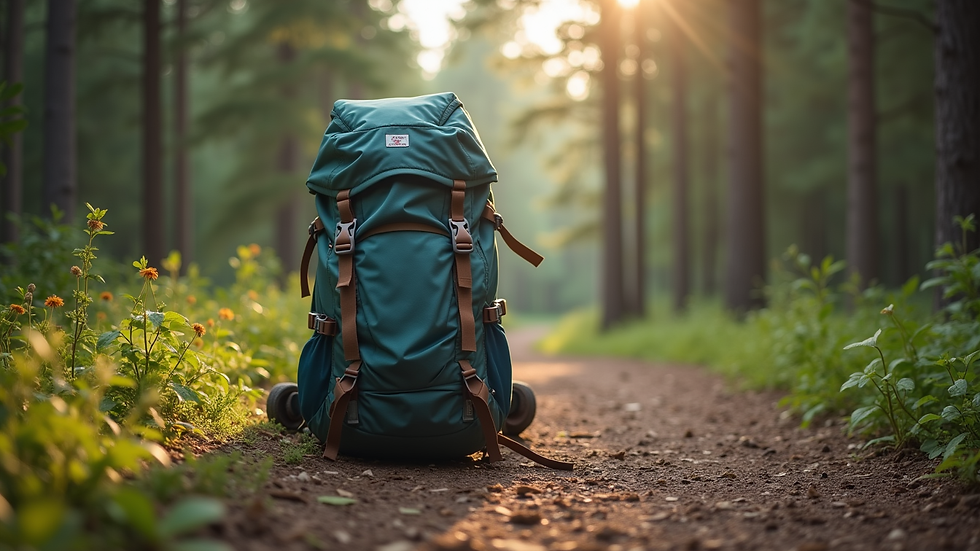
Picking the right gear starts with understanding the environment and the type of expedition you’re planning. For example, a summer hike in the Rockies requires different equipment than a winter trip in Alaska. I always start with a solid backpack that fits well and has enough capacity for all my essentials. Look for one with adjustable straps, multiple compartments, and durable materials.
Next, clothing is crucial. Layering is the best approach because it lets you adjust to changing temperatures. I usually pack moisture-wicking base layers, an insulating mid-layer like fleece, and a waterproof outer shell. Don’t forget a good hat and gloves, especially if you expect cold or windy conditions.
Footwear is another key factor. Hiking boots with good ankle support and waterproofing are a must for rough terrain. I recommend breaking them in before your trip to avoid blisters. Also, bring extra socks made of wool or synthetic fibers to keep your feet dry and comfortable.
Essential Tools and Equipment for US Expeditions
Beyond clothing and backpacks, there are several tools and pieces of equipment that I consider indispensable. A reliable multi-tool or knife is always in my pack. It’s useful for everything from preparing food to making minor repairs. A sturdy, lightweight tent or shelter is also essential, especially if you’re camping overnight.
Navigation tools like a map, compass, and GPS device are critical. Even if you plan to use a smartphone app, having a physical map and compass as backups is smart. I’ve found that learning basic navigation skills pays off in situations where technology fails.
For cooking, a compact stove and fuel canister work well. I prefer simple, efficient models that are easy to set up and clean. Don’t forget lightweight cookware and utensils. Also, pack enough water and a reliable filtration system or purification tablets to ensure safe drinking water.

Staying Safe and Comfortable Outdoors
Safety gear is non-negotiable. I always carry a first aid kit tailored to the length and difficulty of the trip. It should include bandages, antiseptics, pain relievers, and any personal medications. A whistle and signal mirror can help attract attention if you get lost.
Lighting is another important aspect. A headlamp with extra batteries keeps your hands free and helps you navigate in the dark. I also bring a lightweight emergency blanket and fire-starting materials like waterproof matches or a lighter.
Comfort items might seem optional but can improve your experience significantly. A good sleeping bag rated for the expected temperatures, a sleeping pad for insulation and cushioning, and insect repellent are all worth including. I also pack sunscreen and sunglasses to protect against UV rays.
Packing Smart for Efficiency and Convenience
Packing efficiently means organizing your gear so you can access what you need quickly. I use stuff sacks and dry bags to separate clothing, food, and electronics. This keeps everything dry and easy to find. Rolling clothes instead of folding saves space and reduces wrinkles.
Weight distribution in your backpack matters too. Heavier items should be close to your back and centered to maintain balance. I place frequently used items like snacks, maps, and a rain jacket in outer pockets for quick access.
Don’t overload your pack. Stick to essentials and avoid bringing items “just in case.” Every extra pound adds up and can slow you down. I recommend testing your fully loaded pack on a practice hike to make sure it’s comfortable.

Preparing for Unexpected Situations
No matter how well you plan, unexpected situations can arise. That’s why I always include a few extra items that can help in emergencies. A portable power bank keeps your devices charged, especially if you rely on GPS or communication apps. A small repair kit with duct tape, zip ties, and sewing supplies can fix gear on the go.
Learning basic survival skills is just as important as the gear itself. Knowing how to build a fire, find shelter, and signal for help can be lifesaving. I also recommend sharing your itinerary with someone you trust and checking in regularly if possible.
For those interested in detailed lists and recommendations, you can find a comprehensive guide on expedition essentials us that covers all the gear you might need for your next adventure.
Getting Ready for Your Next US Expedition
Preparing for a US expedition means thinking through every aspect of your trip and packing accordingly. The right gear supports your safety, comfort, and success in the outdoors. From durable backpacks and layered clothing to navigation tools and emergency supplies, each item plays a role.
I’ve found that investing time in selecting and testing your gear before heading out pays off in confidence and enjoyment. Whether you’re a seasoned bushcraft practitioner or a weekend camper, having the right equipment helps you focus on the experience rather than the challenges.
Remember, the goal is to be prepared but not overburdened. Keep your pack light, your gear reliable, and your skills sharp. With these essentials in place, you’ll be ready to tackle whatever the wilderness throws your way.


Comments