
Online Wilderness Survival Training Essentials
When you think about heading into the wild, whether for camping, hiking, or just testing your skills, knowing the basics of survival is crucial. I’ve found that having a solid foundation in wilderness survival can make all the difference between a great adventure and a stressful situation. The good news is, you don’t have to wait for a weekend course or a remote workshop to get started. Online wilderness survival training offers a flexible, accessible way to build your skills from anywhere. In this post, I’ll walk you through the essentials you need to focus on when diving into survival training online, what gear to consider, and how to practice effectively.
Understanding Survival Training Essentials
Survival training is about more than just knowing how to start a fire or build a shelter. It’s a combination of skills, knowledge, and mindset that prepares you to handle unexpected situations in the outdoors. When you’re looking at survival training essentials, you want to cover a few key areas:
Shelter building: Knowing how to create a safe, weather-resistant shelter using natural materials or minimal gear.
Fire making: Mastering different methods to start a fire, including friction, flint and steel, and modern tools.
Water sourcing and purification: Identifying safe water sources and understanding how to purify water to avoid illness.
Navigation: Using maps, compasses, and natural indicators to find your way.
Food procurement: Basic knowledge of edible plants, trapping, and fishing.
First aid: Handling common injuries and emergencies in the wild.
Each of these areas is essential because they cover the basic needs of survival: shelter, warmth, hydration, food, and safety. When you train online, look for courses or resources that break down these topics into manageable lessons with clear demonstrations and practical exercises.

Key Gear to Support Your Training
Even though survival skills focus on using what nature provides, having the right gear can make learning and practicing much easier and safer. When you’re starting out, consider investing in a few essentials that will help you practice effectively and build confidence:
Quality knife: A sturdy, sharp knife is your best friend in the wild. It’s useful for cutting, carving, preparing food, and even self-defense.
Fire starter kit: A reliable fire starter like a ferro rod or waterproof matches helps you practice fire making without frustration.
Water filter or purification tablets: These allow you to safely test water purification methods.
Compact first aid kit: Having basic medical supplies on hand is important while practicing survival skills.
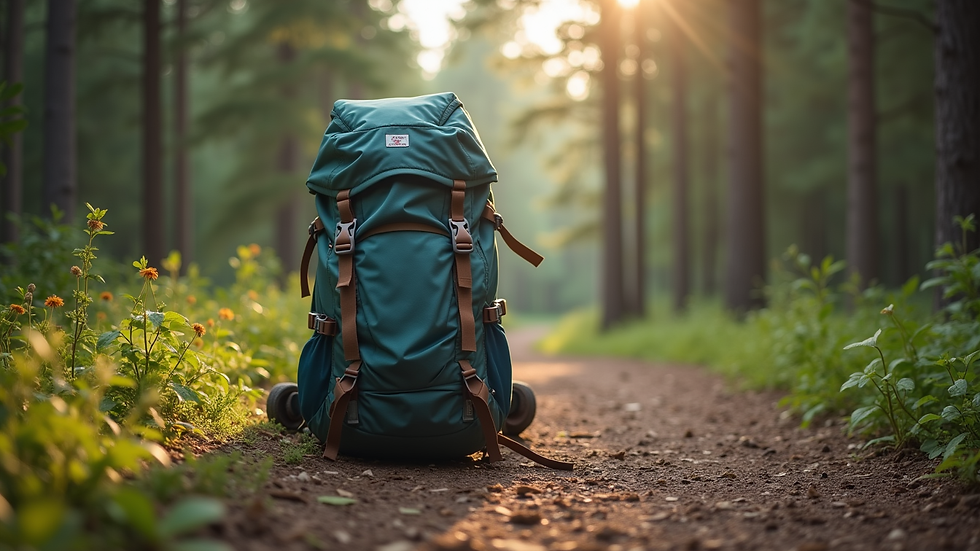
Backpack: A comfortable, durable pack to carry your gear during practice hikes or overnight trips.
Survival manual or guidebook: A good reference book can reinforce what you learn online and provide quick tips when you’re out in the field.
When you combine these tools with your training, you’ll be able to practice skills like fire making and shelter building more effectively. Plus, having gear that you trust will help you feel more prepared and less anxious about trying new techniques.
How to Practice Survival Skills at Home and Outdoors
One of the biggest advantages of online wilderness survival training is that you can start practicing right away, even if you’re not near a remote forest or mountain. Here are some practical ways to get hands-on experience:
Backyard practice: Use your backyard or a local park to build shelters, start fires, and identify plants. This controlled environment lets you experiment safely.
Day hikes: Take short hikes with your survival gear and practice navigation, water sourcing, and emergency first aid.
Overnight camping: Plan a simple overnight trip where you rely on your survival skills for shelter and fire.
Skill challenges: Set goals like starting a fire without matches or identifying five edible plants in your area.
Join online forums or groups: Share your progress, ask questions, and learn from others who are also practicing survival skills.
The key is consistency. Even short, regular practice sessions will build your confidence and muscle memory. Also, always prioritize safety—practice new skills in safe environments and have a backup plan.

Benefits of Taking Wilderness Survival Training Online
There are several reasons why online wilderness survival training is a smart choice for anyone interested in outdoor skills. First, it offers flexibility. You can learn at your own pace, revisit lessons as needed, and fit training around your schedule. This is especially helpful if you have a busy lifestyle or live far from wilderness areas.
Second, online courses often provide structured content that covers all the essentials in a logical order. This helps you build skills progressively without missing important steps. Many courses also include video demonstrations, quizzes, and downloadable resources that make learning easier.
Third, online training can be cost-effective. Traditional survival courses can be expensive and require travel, but online options often come at a fraction of the cost. Plus, you can access a wide range of instructors and styles to find what suits you best.
Finally, online training connects you to a community of learners. Many platforms have forums or social media groups where you can share experiences, ask questions, and get feedback. This interaction adds motivation and support as you develop your skills.
Preparing for Real-World Application
Learning survival skills online is a great start, but the real test comes when you apply those skills in the outdoors. To prepare for this, you need to plan carefully and gradually increase the difficulty of your practice sessions.
Start with familiar environments and short trips, then move on to more remote or challenging locations. Always inform someone about your plans and carry essential safety gear. Practice using your navigation tools and emergency communication devices.
It’s also important to develop a survival mindset. This means staying calm, thinking clearly, and being adaptable when things don’t go as planned. Mental preparation is just as important as physical skills.
Remember, survival training is an ongoing process. The more you practice and expose yourself to different conditions, the better prepared you’ll be. Use your online training as a foundation, then build on it with real-world experience.
If you want to get started with a reliable and comprehensive program, consider exploring wilderness survival training online options that fit your needs and schedule. With the right approach, you’ll gain the confidence and skills to enjoy the outdoors safely and responsibly.


Comments