
Mastering Bushcraft Skills Tips by Running Rivers
When you spend time outdoors, especially near rivers, you quickly realize that nature offers a unique classroom for learning bushcraft skills. Running rivers provide a dynamic environment where you can practice essential survival techniques, from navigation to shelter building, and even food gathering. I’ve found that mastering these skills by running rivers not only sharpens your outdoor abilities but also builds confidence for any wilderness adventure. In this post, I’ll share practical tips and insights to help you develop your bushcraft skills effectively while enjoying the natural flow of rivers.
Why Running Rivers Is Ideal for Bushcraft Skills Tips
Rivers are more than just water flowing through the landscape. They are natural highways, sources of fresh water, and habitats for various plants and animals. When you follow a river, you get a continuous supply of resources and a natural guide for navigation. This makes running rivers an excellent way to practice bushcraft skills tips because you’re constantly interacting with the environment.
For example, you can learn how to identify edible plants along the riverbank, find safe spots to set up camp, and understand how to read the water’s flow to avoid dangerous areas. Rivers also teach you about weather patterns and how they affect water levels, which is crucial for planning your route and staying safe.
One of the best parts about running rivers is that they force you to adapt. You might have to cross the river, build a raft, or find alternative paths when the terrain gets tough. These challenges help you develop problem-solving skills and resilience, which are key components of bushcraft.

Essential Bushcraft Skills Tips for River Environments
When you’re working on your bushcraft skills near rivers, there are several key areas to focus on. These skills will help you stay safe, comfortable, and self-sufficient in the wild.
Water Sourcing and Purification
Freshwater is critical for survival, and rivers are a reliable source. However, you can’t just drink directly from the river without treating the water. Learning how to purify water is a must. Some common methods include:
Boiling water for at least one minute to kill pathogens.
Using portable water filters designed for outdoor use.
Treating water with purification tablets or drops.
It’s also important to know where to collect water. Avoid stagnant pools or areas downstream from potential contamination sources like campsites or livestock.
Navigation Using the River
Rivers are natural landmarks that can guide your way through the wilderness. You can use the river’s flow direction to orient yourself. For instance, if you know the river flows south, you can use that information to maintain your bearings.
Additionally, rivers often lead to human settlements or roads, so following a river can be a practical way to find help if needed. Combining river navigation with a map and compass skills will make your route planning more reliable.
Shelter Building Near Water
Setting up camp near a river has advantages like easy access to water and a scenic environment. However, you need to choose your spot carefully. Avoid low-lying areas prone to flooding, especially after heavy rain.
When building a shelter, use natural materials like branches, leaves, and bark. A lean-to or debris hut works well in river environments. Make sure your shelter is elevated enough to stay dry and positioned to block wind.
Fire Making and Safety
Fire is essential for warmth, cooking, and signaling. Near rivers, you’ll find plenty of wet wood, so knowing how to start a fire with damp materials is a valuable skill. Carrying a reliable fire starter like waterproof matches or a ferrocerium rod is recommended.
Clear a safe fire area away from overhanging branches and dry leaves. Always have water nearby to extinguish the fire completely before leaving your campsite.
What to Bring Bushcraft Camping?
Packing the right gear can make a big difference when you’re camping near rivers and practicing bushcraft. Here’s a list of essentials that I always bring:
Water purification system - Whether it’s a filter, tablets, or a stove for boiling.
Knife and multi-tool - For cutting, carving, and general tasks.
Fire starter kit - Waterproof matches, ferro rod, and tinder.
Lightweight shelter materials - Tarp, cordage, and a sleeping bag.
Navigation tools - Map, compass, and GPS device.
First aid kit - Basic supplies for minor injuries.
Cooking gear - Portable stove or lightweight cookware.
Clothing layers - Quick-dry and moisture-wicking fabrics.
Fishing gear - Simple rod or line for catching fish.
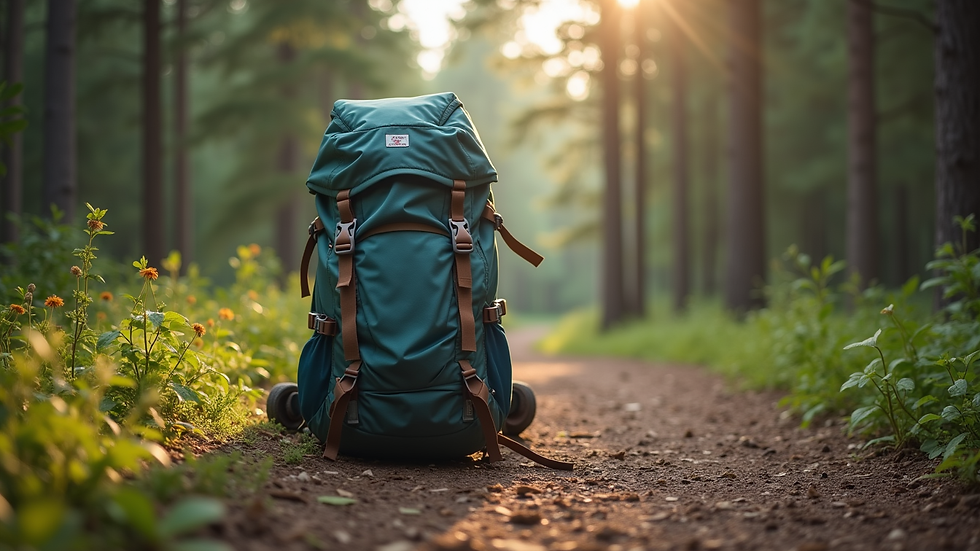
10. Backpack - Durable and comfortable for carrying all your gear.
Bringing the right gear helps you focus on practicing your skills without worrying about basic needs. It also prepares you for unexpected situations, which are common in outdoor settings.

Practicing Safety and Environmental Respect
While mastering bushcraft skills by running rivers, safety should always be your top priority. Rivers can be unpredictable, with strong currents, slippery rocks, and sudden weather changes. Here are some safety tips to keep in mind:
Always check the weather forecast before heading out.
Avoid crossing rivers during high water or after heavy rain.
Use a walking stick or pole to test water depth and stability.
Inform someone about your route and expected return time.
Carry a whistle or signaling device for emergencies.
Respecting the environment is equally important. Practice Leave No Trace principles by minimizing your impact on the river and surrounding areas. Avoid disturbing wildlife, pack out all trash, and use established campsites when possible.
Building Confidence Through Experience
The best way to master bushcraft skills is through consistent practice and real-world experience. Running rivers offers a natural setting to test your knowledge and improve your abilities. Each trip teaches you something new, whether it’s how to read the water, find edible plants, or build a shelter that withstands the elements.
If you want to deepen your skills, consider joining workshops or guided trips focused on river bushcraft. These experiences provide hands-on learning and connect you with a community of like-minded outdoor enthusiasts.
For those looking to gear up for their adventures, running river bushcraft offers a great selection of reliable tools and equipment designed specifically for outdoor and bushcraft activities. Having the right gear can boost your confidence and make your time in the wild more enjoyable.
Mastering bushcraft skills by running rivers is a rewarding journey that combines practical knowledge with the beauty of nature. With patience, preparation, and respect for the environment, you can develop the skills needed to thrive in riverine wilderness areas and beyond.


Comments