
Must-Have Gear for US Expeditions: Essential Expedition Tools You Need
When heading out on a US expedition, having the right gear can make all the difference between a smooth adventure and a frustrating one. I’ve learned that packing smart means focusing on essentials that cover safety, comfort, and functionality. Whether you’re trekking through dense forests, camping in the mountains, or exploring remote wilderness, the right tools keep you prepared for whatever comes your way. In this post, I’ll walk you through the essential expedition tools that I always bring along, sharing practical tips and examples to help you get ready for your next trip.
Essential Expedition Tools for Every US Adventure
Starting with the basics, there are a few items I never leave behind. These tools are versatile and reliable, designed to handle a variety of situations you might encounter outdoors. First up is a sturdy multi-tool. It’s compact but packed with functions like a knife, pliers, screwdrivers, and scissors. This single tool can replace several bulky items and is perfect for quick fixes or food prep.
Next, a high-quality headlamp is a must-have. It frees up your hands for setting up camp or navigating trails after dark. Look for one with adjustable brightness and a long battery life. I always carry extra batteries or a rechargeable option to avoid being left in the dark.
Another essential is a durable water filter or purifier. Clean water is critical, and relying on natural sources without treatment can be risky. I prefer lightweight filters that remove bacteria and protozoa, making it safe to drink from streams or lakes. This saves carrying heavy water bottles and keeps you hydrated.
For navigation, a reliable GPS device or compass paired with a detailed map of the area is crucial. Technology can fail, so having a backup compass and knowing how to use it is a skill worth mastering. I also recommend a waterproof map case to protect your maps from rain or accidental spills.

Clothing and Shelter: Gear That Protects and Supports
Clothing and shelter gear are the foundation of comfort and safety on any expedition. I always dress in layers to adapt to changing weather conditions. Start with a moisture-wicking base layer to keep sweat away from your skin, add an insulating mid-layer for warmth, and top it off with a waterproof and windproof outer shell.
When it comes to shelter, a lightweight tent or tarp is essential. I prefer tents that are easy to set up and pack down, with good ventilation to reduce condensation. If you’re going ultralight, a tarp combined with a sturdy rope can provide adequate shelter from rain and wind.
Don’t forget a sleeping bag rated for the temperatures you expect. I choose bags with synthetic insulation for wet conditions or down insulation for dry, cold environments. A sleeping pad adds comfort and insulation from the cold ground, which can make a big difference in how well you rest.
Footwear is another critical piece. Durable, waterproof hiking boots with good ankle support help prevent injuries and keep your feet dry. I also pack moisture-wicking socks and sometimes gaiters to keep debris out of my boots.
Cooking and Food Storage Essentials
Food and cooking gear can be a game-changer on longer expeditions. I always bring a compact camping stove that runs on easily available fuel, along with a lightweight pot and utensils. This setup lets me prepare hot meals and boil water quickly, which is important for both nutrition and safety.
For food storage, I use bear-proof containers or bags when in areas with wildlife. This protects my food and reduces the chance of attracting animals to camp. I also pack high-calorie, non-perishable foods like nuts, dried fruits, energy bars, and dehydrated meals that are easy to carry and prepare.
A small cutting board and knife come in handy for meal prep, and a collapsible water container helps with storing extra water at camp. Don’t forget to bring biodegradable soap and a small sponge for cleaning dishes without harming the environment.

Safety and Emergency Gear You Can’t Skip
Safety gear is non-negotiable. I always carry a first aid kit tailored to the length and remoteness of the trip. It should include bandages, antiseptic wipes, pain relievers, blister treatment, and any personal medications. Knowing basic first aid skills is just as important as having the kit.
A fire-starting kit is another must-have. Waterproof matches, a lighter, and fire starters like cotton balls soaked in petroleum jelly can help you get a fire going in wet conditions. Fire is essential for warmth, cooking, and signaling for help.
I also bring a whistle and signal mirror for emergencies. These simple tools can attract attention if you get lost or injured. A personal locator beacon (PLB) or satellite messenger is a good investment for remote expeditions where cell service is unreliable.
Finally, a durable knife is invaluable for many tasks, from preparing food to making kindling or repairing gear. Choose one with a fixed blade and a comfortable grip for safety and efficiency.
Packing Smart: Organizing Your Gear for Efficiency
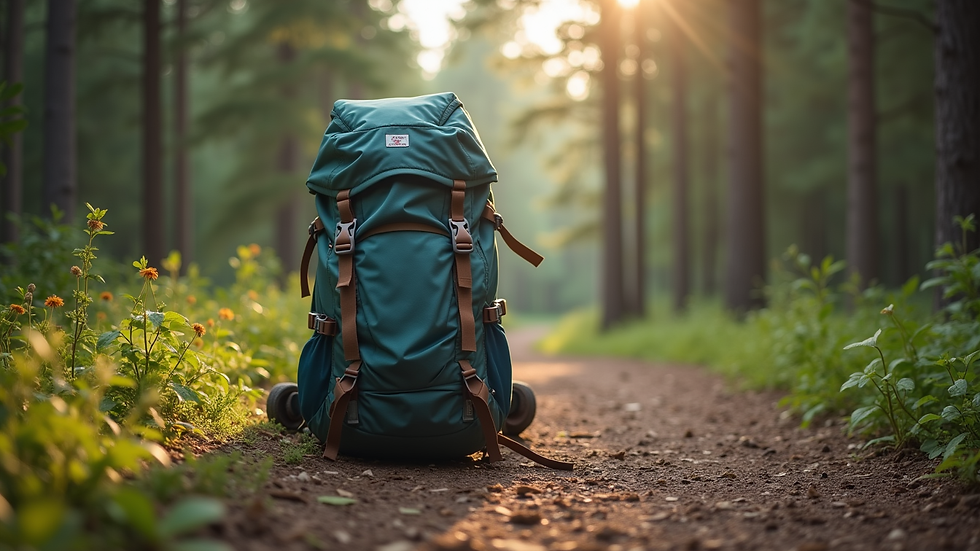
How you pack your gear can affect your comfort and accessibility during the expedition. I use a backpack with a capacity suited to the trip length—usually between 40 and 65 liters. It should have padded straps, a hip belt, and multiple compartments to distribute weight evenly.
I pack heavy items close to my back and near the center of gravity to maintain balance. Frequently used items like snacks, maps, and a first aid kit go in easy-to-reach pockets. I also use stuff sacks or dry bags to organize clothing and keep gear dry.
Don’t overload your pack. Every extra pound makes a difference on long hikes. Prioritize multi-use items and leave behind anything that isn’t essential. Remember, the goal is to be prepared but not weighed down.
If you want to explore more about expedition essentials us, Running River Bushcraft offers a great selection of reliable gear that fits these criteria and helps you feel confident in the wild.
Staying Prepared for Your Next US Expedition
Having the right gear is the foundation of a successful expedition. From essential tools like multi-tools and headlamps to clothing, shelter, cooking, and safety equipment, each item plays a role in keeping you safe and comfortable. Organizing your pack smartly and choosing versatile, durable gear will help you handle the challenges of the outdoors with confidence.
Before you head out, make sure to test your equipment, practice using your navigation tools, and review safety procedures. Being prepared means more than just having gear—it means knowing how to use it effectively. With the right preparation, your US expedition can be an enjoyable and rewarding experience.
Happy adventuring!


Comments