
Essential Outdoor Tools for Your Next Expedition
- Richard Bourne
- Apr 27
- 4 min read
When preparing for an expedition, having the right gear can make all the difference between a smooth adventure and a frustrating experience. I’ve learned over time that packing smart means focusing on essentials that cover safety, comfort, and functionality. Whether you’re heading into dense forests, rugged mountains, or open plains, the gear you bring should be reliable and suited to the environment. In this post, I’ll walk you through the essential outdoor tools you need to consider for your next trip, sharing practical tips and examples to help you pack efficiently.
Choosing the Right Backpack and Carrying System
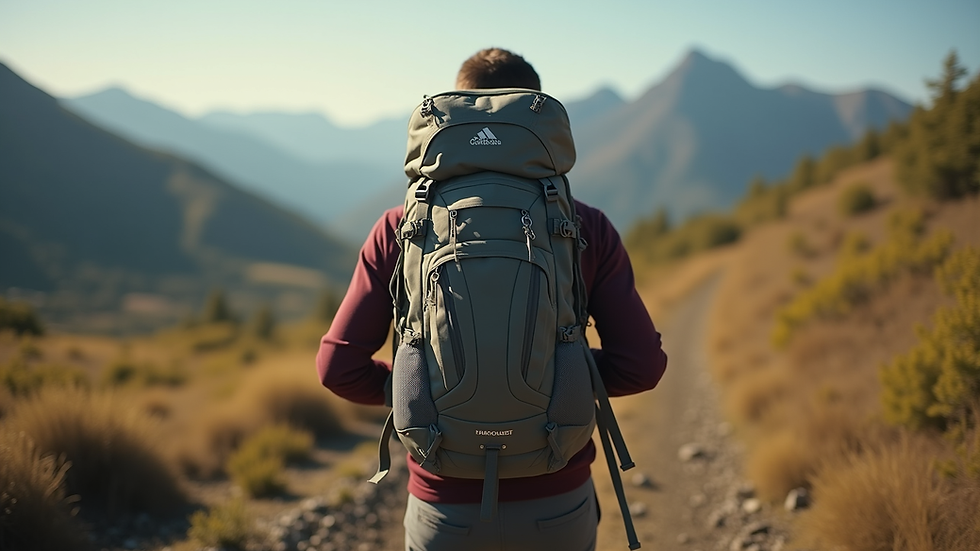
One of the first things to think about is your backpack. It’s not just about size but also about comfort and accessibility. A good backpack should fit your body well, distribute weight evenly, and have compartments that help you organize your gear. For longer expeditions, look for backpacks with padded shoulder straps, adjustable hip belts, and ventilation features to reduce sweating.
When selecting a backpack, consider the duration of your trip and the type of terrain. For example, a 50-70 liter pack is usually enough for multi-day trips, while a smaller 30-40 liter pack works well for day hikes. Also, waterproof or water-resistant materials can protect your gear from unexpected rain.
Don’t forget to pack a rain cover or dry bags inside your backpack to keep your essentials dry. This is especially important if you expect wet conditions or river crossings.
Essential Outdoor Tools for Navigation and Safety
Navigation tools are a must-have for any expedition. Even if you plan to use a GPS device, always carry a physical map and a compass as backups. Technology can fail due to battery issues or signal loss, but a map and compass never run out of power.
Learn how to read topographic maps and use a compass before your trip. Practice plotting your route and identifying landmarks. This knowledge can be a lifesaver if you get off track.
In addition to navigation, safety tools like a first aid kit, whistle, and multi-tool are critical. Your first aid kit should include bandages, antiseptic wipes, pain relievers, and any personal medications. A whistle can help signal for help if you’re lost or injured.
A multi-tool combines several functions like a knife, pliers, and screwdriver in one compact device. It’s handy for gear repairs, food preparation, and other tasks.

Clothing and Footwear: Layering and Protection
Clothing choices can make or break your comfort during an expedition. The key is layering - wearing multiple layers that you can add or remove depending on the weather and activity level. Start with a moisture-wicking base layer to keep sweat away from your skin. Add an insulating layer like fleece or down for warmth, and finish with a waterproof and windproof outer shell.
Avoid cotton clothing because it retains moisture and can cause chills. Instead, opt for synthetic or wool materials that dry quickly and provide insulation even when damp.
Footwear is equally important. Choose sturdy, waterproof hiking boots with good ankle support and traction. Break them in before your trip to prevent blisters. Bring extra socks made of wool or synthetic fibers to keep your feet dry and comfortable.
Don’t forget accessories like a wide-brimmed hat for sun protection, gloves for warmth, and sunglasses to shield your eyes from UV rays.
Cooking Gear and Food Storage
Food and cooking gear are essential for maintaining energy and morale on the trail. A lightweight stove with fuel, a pot or pan, and utensils are basic items you’ll need. Choose a stove that is easy to use and reliable in different weather conditions.
For food, plan meals that are high in calories, easy to prepare, and non-perishable. Freeze-dried meals, nuts, energy bars, and dehydrated fruits are popular choices. Pack food in resealable bags or containers to keep it fresh and prevent spills.
Don’t forget a water filtration system or purification tablets. Clean drinking water is crucial, and relying on natural water sources without treatment can lead to illness.
Shelter and Sleeping Equipment
A good shelter protects you from the elements and provides a comfortable place to rest. Depending on your expedition, you might choose a tent, hammock, or bivy sack. Look for shelters that are lightweight, easy to set up, and suited to the climate.
Sleeping bags should match the expected temperatures. Check the temperature rating and choose one that keeps you warm without overheating. A sleeping pad adds insulation and cushioning from the ground, improving sleep quality.
Also, consider packing a tarp or groundsheet to protect your shelter floor and create a dry area for cooking or gear storage.
Final Tips for Packing and Preparation
Before you head out, make a checklist of your gear and test everything. Pack your backpack and carry it around to get used to the weight and balance. Adjust straps and make sure you can access important items quickly.
Check the weather forecast and adjust your gear accordingly. Always have a plan for emergencies and let someone know your itinerary.
If you want to explore more about reliable gear options, you can check out expedition essentials us for a curated selection of trusted equipment.
Packing the right gear is about being prepared, staying safe, and enjoying your time outdoors. With these essential outdoor tools, you’ll be ready to tackle your next expedition with confidence.


Comments