
Essential Outdoor Expedition Gear for Your Next Adventure
When heading out into the wild, having the right gear can make all the difference between a smooth, enjoyable trip and a challenging, uncomfortable one. Over the years, I’ve learned that packing smart and choosing reliable equipment is key to staying safe and comfortable. Whether you’re planning a weekend camping trip or a longer bushcraft expedition, knowing what to bring and why can save you time, energy, and even your life. In this post, I’ll walk you through the essential outdoor expedition gear you should consider for your next adventure.
Choosing Essential Outdoor Expedition Gear
The first step in preparing for any outdoor adventure is selecting gear that fits your needs and the environment you’ll be in. This means thinking about the climate, terrain, and duration of your trip. For example, if you’re heading into a wet, forested area, waterproof gear and sturdy boots are a must. On the other hand, if you’re trekking through dry, open terrain, lightweight and breathable clothing will keep you comfortable.
Some of the most important items to focus on include:
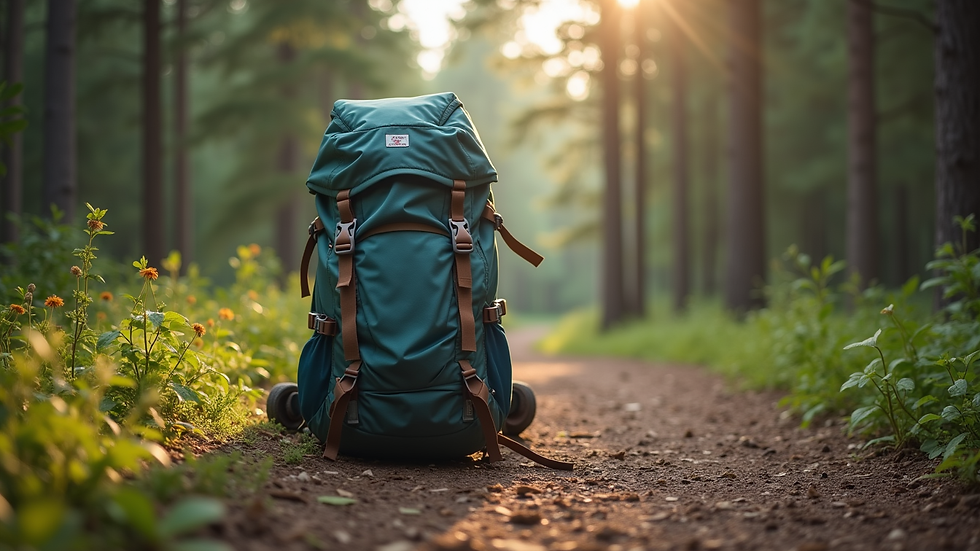
Backpack: A durable, comfortable backpack with enough capacity for your gear is essential. Look for one with adjustable straps and multiple compartments to keep things organized.
Shelter: A reliable tent or tarp that suits the weather conditions. Lightweight options are great for long hikes, but make sure it’s sturdy enough to handle wind and rain.
Sleeping system: A sleeping bag rated for the temperatures you expect, plus a sleeping pad for insulation and comfort.
Clothing: Layering is key. Start with moisture-wicking base layers, add insulating mid-layers, and finish with a waterproof outer layer.
Footwear: Invest in good hiking boots or shoes that provide support and grip.
These basics form the foundation of your kit, but there’s more to consider when it comes to staying safe and self-sufficient.

Tools and Equipment You Can’t Leave Behind
Beyond the basics, having the right tools can make your outdoor experience much easier. I always carry a few key items that help with navigation, food preparation, and emergency situations.
Navigation tools: A map and compass are essential, even if you plan to use a GPS device. Batteries can die, but a compass and map never fail.
Multi-tool or knife: A good quality knife or multi-tool is invaluable for cutting rope, preparing food, or making repairs.
Fire-starting kit: Waterproof matches, a lighter, and fire starters help you build a fire for warmth and cooking.
Water filtration: Carry a portable water filter or purification tablets to ensure you have access to safe drinking water.
First aid kit: A compact kit with bandages, antiseptic wipes, pain relievers, and any personal medications is a must.
Cooking gear: A lightweight stove, fuel, and cookware allow you to prepare hot meals, which can boost morale and energy.
Packing these tools might add some weight, but they are essential for safety and convenience.

Clothing and Footwear for Comfort and Protection
When it comes to clothing, I always emphasize the importance of layering. This approach lets you adjust your insulation based on the weather and your activity level. Start with a moisture-wicking base layer to keep sweat away from your skin, add a warm mid-layer like fleece or wool, and top it off with a waterproof and windproof shell.
Don’t forget about your feet. Proper footwear can prevent blisters, provide ankle support, and protect you from rough terrain. Break in your boots before the trip to avoid discomfort. Also, pack extra socks made of wool or synthetic materials to keep your feet dry and warm.
Accessories like hats, gloves, and buff scarves can protect you from sun, wind, and cold. Sunglasses with UV protection are also important, especially at higher altitudes or in snowy environments.
Food, Water, and Hydration Strategies
Food and water are the fuel that keep you going. Planning your meals carefully can help you maintain energy without carrying unnecessary weight. I recommend packing high-calorie, nutrient-dense foods like nuts, dried fruits, energy bars, and dehydrated meals. These are lightweight and easy to prepare.
Water is even more critical. Always carry enough water for your trip, but also have a plan to refill safely. Streams and lakes can be sources, but untreated water can carry harmful bacteria and parasites. That’s why I always bring a water filter or purification tablets. This way, I can refill from natural sources without worrying about getting sick.
Hydration systems like water bladders or bottles with wide mouths make drinking and refilling easier on the trail. Remember to drink regularly, even if you don’t feel thirsty, to avoid dehydration.
Safety and Communication Gear
Safety should never be an afterthought. Besides your first aid kit and navigation tools, consider carrying a few additional items to help in emergencies.
Whistle: A simple, lightweight tool to signal for help.
Headlamp or flashlight: Essential for navigating in the dark or signaling.
Emergency blanket: Compact and lightweight, it can help retain body heat if you get stranded.
Personal locator beacon (PLB) or satellite messenger: If you’re going into remote areas without cell service, these devices can send distress signals and your location to rescue teams.
Before heading out, always let someone know your itinerary and expected return time. This simple step can save lives if something goes wrong.
Final Thoughts on Preparing for Your Expedition
Packing the right gear is about balancing weight, functionality, and reliability. Over time, you’ll learn what works best for your style of adventure and the environments you explore. I always recommend testing your gear on shorter trips before committing to longer expeditions. This helps you identify any missing items or equipment that doesn’t perform as expected.
If you’re looking for a comprehensive selection of reliable bushcraft and camping gear, check out expedition essentials us for trusted options that can help you feel prepared and confident in the wild.
Remember, the right gear is your foundation for a successful outdoor adventure. Take the time to plan, pack smart, and stay safe out there.


Comments