
Choosing the Right Camping Tent Options for Outdoors
- Richard Bourne
- May 18
- 5 min read
When it comes to spending time outdoors, having the right tent can make all the difference between a comfortable night and a restless one. Whether you’re planning a weekend getaway or a longer expedition, choosing the right camping tent options is essential. There are many factors to consider, from the size and weight to the weather conditions you expect to face. I’ve spent plenty of time outdoors and learned that picking the right tent is about matching your needs with the tent’s features, so you get the best experience possible.
Understanding Different Camping Tent Options
There are several types of tents designed for various outdoor activities and environments. Knowing the differences helps you narrow down what suits your trip best. Here are some common camping tent options:
Dome Tents: These are popular for their easy setup and good stability. They usually have two or more flexible poles that cross in the middle, creating a dome shape. Dome tents are great for casual camping and moderate weather.
Tunnel Tents: These tents use long poles that create a tunnel shape. They offer more interior space and are good for families or groups. Tunnel tents are best for calm weather since they can be less stable in strong winds.
Backpacking Tents: Designed to be lightweight and compact, these tents are perfect for hikers and solo campers who need to carry their gear over long distances. They often sacrifice some space for weight savings.
Cabin Tents: These are larger tents with vertical walls, providing more headroom and space. They are ideal for car camping or family trips where weight and size are less of a concern.
Pop-Up Tents: These tents are designed for quick and easy setup, often springing into shape when unpacked. They are convenient for short trips or festivals but may not hold up well in bad weather.
Each type has its pros and cons, so think about what matters most to you: ease of setup, space, weight, or weather resistance.
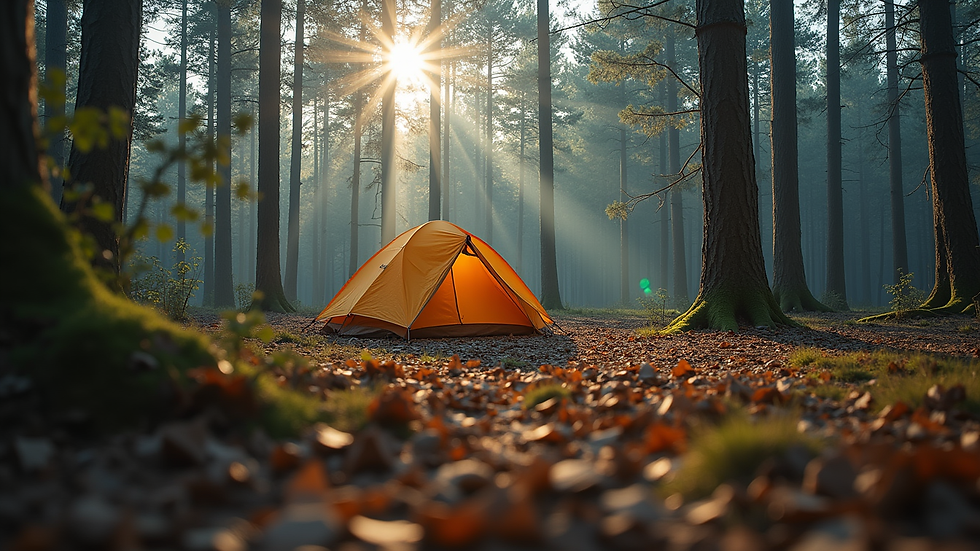
Key Features to Look for in Camping Tent Options
Once you know the type of tent you want, it’s time to focus on the features that will affect your comfort and safety outdoors. Here are some important things to check:
Capacity: Tents are rated by how many people they can sleep, but it’s smart to choose a tent that’s a bit bigger than the number of campers. This extra space lets you store gear inside and move around comfortably.
Weight: If you’re hiking or backpacking, weight is critical. Look for tents made with lightweight materials and minimal poles. For car camping, weight is less important.
Weather Resistance: Check the tent’s waterproof rating and whether it has a rainfly. A good rainfly covers the tent and keeps rain out. Also, look for tents with strong poles and stakes to handle wind.
Ventilation: Proper airflow prevents condensation inside the tent. Look for tents with mesh panels or windows that can be opened and closed.
Setup Time: Some tents take longer to pitch than others. If you want something quick and easy, consider pop-up or instant tents.
Durability: The materials used for the tent floor, walls, and poles affect how long the tent will last. Heavier fabrics and stronger poles usually mean better durability.
Knowing these features helps you pick a tent that fits your style and the conditions you expect.
How to Choose the Right Size and Capacity
Choosing the right size tent is more than just matching the number of people. You want to be comfortable and have room for your gear. Here’s how to think about it:
Number of Campers: If you’re camping alone, a one-person tent is fine, but a two-person tent gives extra space. For two people, a three-person tent is often better.
Gear Storage: If you carry backpacks, cooking gear, or other equipment, you’ll want a tent with vestibules or extra space inside.
Sleeping Arrangements: Some people like to spread out, while others don’t mind cozy quarters. Consider your personal preference.
Seasonal Use: In winter, you might want a smaller tent to retain heat better. In summer, a larger tent with good ventilation is preferable.
For example, if you’re going on a solo backpacking trip, a lightweight one-person tent with a small vestibule for your pack is ideal. For a family camping trip, a cabin tent with multiple rooms and plenty of headroom works better.
Materials and Construction Matter
The materials used in your tent affect its weight, durability, and weather resistance. Here’s what to look for:
Tent Fabric: Most tents use nylon or polyester. Nylon is lighter but can absorb water, while polyester is more UV resistant. Look for tents with waterproof coatings like polyurethane or silicone.
Floor Material: The floor should be tough and waterproof. Look for thicker fabrics or reinforced floors to prevent tears.
Poles: Aluminum poles are strong and lightweight, while fiberglass poles are cheaper but heavier and less durable.
Seams and Zippers: Sealed seams prevent leaks, and quality zippers last longer and work smoothly.
Paying attention to these details ensures your tent will hold up in the conditions you face.

Tips for Buying Tents Online
Buying a tent online can be convenient, but it requires some extra care since you can’t see or touch the tent before purchase. Here are some tips:
Read Reviews: Look for feedback from other buyers about the tent’s performance, setup, and durability.
Check Specifications: Make sure the tent’s size, weight, and features match your needs.
Look for Warranty and Return Policies: A good warranty and easy returns give peace of mind.
Compare Prices: Sometimes the same tent is available at different prices on various sites.
Buy from Reputable Sellers: Choose stores that specialize in outdoor gear and have good customer service.
If you want to save time and find a wide selection, you can buy tents online from trusted shops that focus on outdoor gear, ensuring you get reliable products that suit your adventures.
Preparing Your Tent for Different Weather Conditions
Different weather calls for different tent features and preparations. Here’s how to match your tent to the conditions:
Summer Camping: Look for tents with plenty of mesh panels for ventilation to keep cool and reduce condensation.
Rainy Weather: A full-coverage rainfly and sealed seams are essential. Make sure the tent has a bathtub floor to keep water out.
Cold Weather: Four-season tents with sturdier poles and less mesh help retain heat and resist snow loads.
Windy Conditions: Choose tents with strong poles and low profiles to reduce wind resistance. Use all guy lines and stakes for stability.
Always practice setting up your tent before your trip so you can do it quickly and correctly when you arrive.
Final Thoughts on Choosing Your Tent
Choosing the right camping tent options is about balancing your needs with the tent’s features. Think about how many people will use it, the weather you expect, and how you’ll carry it. Pay attention to materials and construction for durability and comfort. Don’t forget to check reviews and buy from reliable sources to get the best value.
With the right tent, your outdoor experience will be more enjoyable and stress-free, letting you focus on the adventure ahead. Whether you’re heading out for a quick weekend or a longer bushcraft trip, the right tent is your base camp for success.


Comments