
Mastering Skills with Running River Bushcraft: Bushcraft Tools and Tips
- Richard Bourne
- Apr 27
- 4 min read
When it comes to mastering bushcraft skills, having the right tools and knowing how to use them effectively is essential. Over time, I’ve learned that preparation, practice, and understanding the environment make all the difference. Whether you’re setting up camp, making fire, or navigating the wilderness, the right gear combined with practical knowledge can boost your confidence and safety. In this post, I’ll share some of the best bushcraft tools and tips that have helped me improve my outdoor skills, and I’ll also introduce you to running river bushcraft, a great resource for quality gear.
Essential Bushcraft Tools and Tips for Beginners
Starting with the right tools is crucial. You don’t need to carry everything, but some basics are non-negotiable. Here’s what I always pack:
Fixed-blade knife: A sturdy, sharp knife is your best friend. It’s useful for carving, food prep, and even making kindling.
Ferrocerium rod: For reliable fire-starting, especially in wet conditions.
Compact axe or hatchet: Helps with chopping wood and clearing brush.
Water container and purification system: Staying hydrated is key, and clean water is a must.
Cordage: Paracord or natural fiber rope for shelter building, traps, or repairs.
When choosing tools, focus on durability and versatility. For example, a fixed-blade knife with a full tang will last longer and handle tougher tasks than a folding knife. Also, practice using your tools before heading out. Knowing how to safely and efficiently use your knife or start a fire can save time and reduce frustration.

Building Practical Skills with Bushcraft Tools and Tips
Having tools is one thing, but mastering the skills to use them is another. I recommend breaking down your learning into manageable parts:
Fire-making: Start with basic friction methods like the bow drill, then move to using a ferro rod. Practice in different weather conditions.
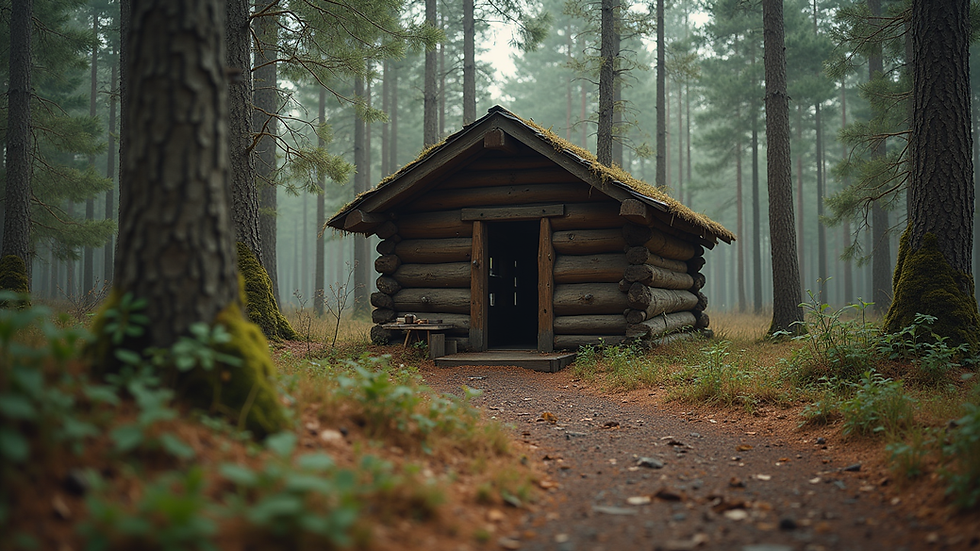
Shelter building: Learn to identify natural materials and build simple lean-tos or debris huts.
Water sourcing and purification: Know how to find water and make it safe to drink using boiling, filtration, or chemical treatments.
Navigation: Use a map and compass, and practice natural navigation techniques like reading the sun and stars.
One tip that helped me was to set small challenges, like building a fire without matches or creating a shelter in under an hour. These exercises build confidence and improve your problem-solving skills in the wild.
Advanced Techniques for Outdoor Mastery
Once you’re comfortable with the basics, it’s time to refine your skills and learn some advanced techniques. These include:
Tracking and foraging: Understanding animal tracks and identifying edible plants can enhance your survival chances.
Tool maintenance: Sharpening knives, cleaning axes, and caring for your gear extends their lifespan.
Improvised gear: Learn to make tools and equipment from natural materials, like crafting a fishing spear or a bow.
I found that combining these skills with the right tools makes a big difference. For example, knowing how to sharpen your knife in the field means you’re never stuck with a dull blade. Also, practicing foraging requires knowledge of local flora, so always research your area before heading out.
Staying Safe and Prepared in the Wilderness
Safety should always be a priority. Even with the best tools and skills, unexpected situations can arise. Here are some tips to stay prepared:
Tell someone your plans: Always inform a friend or family member about your route and expected return time.
Pack a first aid kit: Include basics like bandages, antiseptic, and any personal medications.
Dress appropriately: Layer your clothing to adapt to changing weather.
Know your limits: Don’t push yourself too hard, especially when learning new skills.
I also recommend carrying a whistle and a signaling mirror for emergencies. These simple items can help rescuers find you faster if needed. Remember, preparation is about reducing risks, not eliminating them entirely.
Where to Find Quality Gear and Resources
Finding reliable gear is just as important as learning skills. I’ve come to trust running river bushcraft for their selection of durable, practical tools and equipment. Their online shop offers everything from knives and axes to fire-starting kits and survival guides. What I appreciate most is their focus on quality and customer support, which makes shopping easier and more trustworthy.
When choosing gear, consider:
Material quality: Look for high-carbon steel blades and weather-resistant handles.
Functionality: Multi-use tools save space and weight.
Reviews and recommendations: Learn from other outdoor enthusiasts’ experiences.
Investing in good gear pays off in the long run, especially when you’re relying on it in challenging conditions.
Building Confidence Through Practice and Preparation
Mastering bushcraft is a journey, not a one-time event. The more you practice, the more confident you become. I suggest setting regular outdoor sessions where you focus on specific skills, like fire-making or shelter building. Keep a journal of your experiences and lessons learned. This helps track progress and identify areas for improvement.
Also, join local bushcraft groups or online communities to share tips and get feedback. Learning from others’ experiences can speed up your skill development and introduce you to new techniques.
Remember, the goal is to feel prepared and self-reliant in the outdoors. With the right tools, knowledge, and mindset, you can enjoy your time in nature safely and effectively.
Mastering bushcraft skills takes time, but with consistent effort and the right resources, it’s achievable. Whether you’re a beginner or looking to refine your abilities, focusing on practical tools and tips will help you become more capable in the wild. Check out running river bushcraft for gear that supports your journey and keeps you ready for any adventure.


Comments