
Essential Expedition Gear for Your US Adventures
- Richard Bourne
- Aug 3
- 5 min read
When heading out on a US expedition, having the right gear can make all the difference between a smooth trip and a frustrating one. Whether you’re trekking through dense forests, camping in remote areas, or practicing bushcraft skills, being prepared with essential equipment is key. I’ve learned over time that packing smart means focusing on reliability, versatility, and comfort. In this post, I’ll walk you through the must-have items that should be on your checklist before you set off.
What Counts as Essential Expedition Gear?
First off, let’s define what I mean by essential expedition gear. This is the stuff you absolutely need to survive, stay comfortable, and navigate the outdoors safely. It’s not about bringing every gadget or luxury item, but rather the tools and supplies that serve multiple purposes and can handle tough conditions. For example, a good quality knife isn’t just for cutting; it can help with food prep, shelter building, and even first aid. Similarly, a durable backpack isn’t just for carrying your gear but also for organizing and protecting it.
When I prepare for a trip, I focus on gear that is lightweight but tough, easy to use, and adaptable to different environments. This includes clothing layers that work in varying temperatures, reliable shelter options, and navigation tools that don’t rely solely on batteries or cell service. You want to be ready for anything, from sudden weather changes to unexpected detours.
Clothing and Footwear: The Foundation of Your Gear
One of the first things I pack is clothing that can handle the elements. In the US, weather can vary widely depending on where you are, so layering is crucial. Start with a moisture-wicking base layer to keep sweat off your skin, add an insulating mid-layer like fleece or wool, and top it off with a waterproof and windproof outer shell. This setup keeps you comfortable whether you’re hiking in the heat or facing chilly mountain winds.
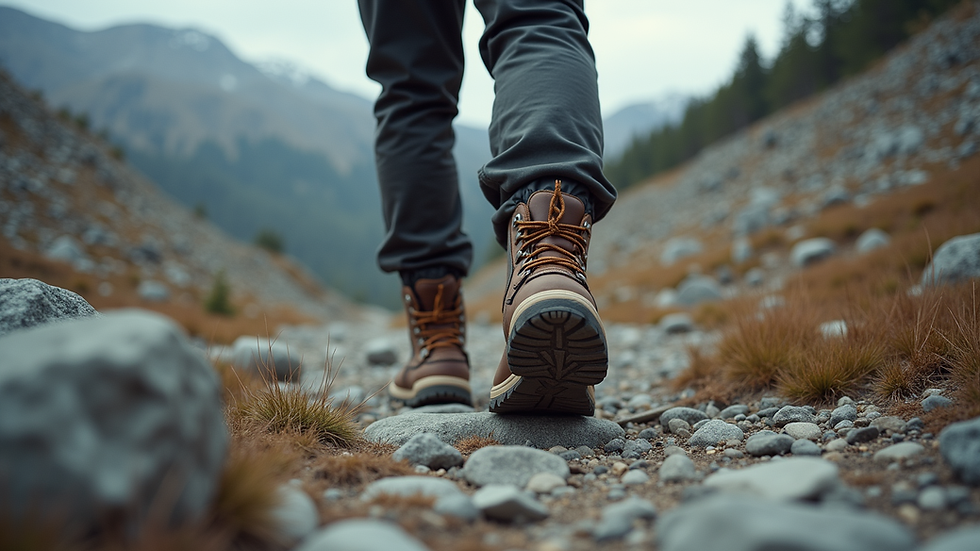
Footwear is just as important. I always choose sturdy hiking boots with good ankle support and a grippy sole. If you’re crossing streams or expect wet conditions, waterproof boots or quick-drying trail shoes are a must. Don’t forget good socks made from wool or synthetic fibers to prevent blisters and keep your feet dry.
Accessories like hats, gloves, and sunglasses also play a role. A wide-brimmed hat protects you from sun exposure, while gloves can keep your hands warm or protect them during tasks like gathering firewood. Sunglasses with UV protection are essential for bright days, especially at higher elevations.
Shelter and Sleeping Gear: Your Home Away from Home
Having a reliable shelter is non-negotiable. Depending on your expedition style, this could be a lightweight tent, a tarp setup, or even a hammock with a rainfly. I prefer tents that are easy to pitch and offer good ventilation to reduce condensation. If you’re going minimalist, a tarp can work well but requires some skill to set up properly.
Sleeping gear is equally important. A quality sleeping bag rated for the temperatures you expect will keep you warm and rested. Pair it with an insulated sleeping pad to provide cushioning and prevent heat loss to the ground. I always bring a compact pillow or stuff sack filled with clothes for added comfort.
Don’t overlook the importance of a good groundsheet or footprint under your tent to protect it from abrasion and moisture. Also, consider a bug net if you’re camping in areas with lots of insects.

Navigation and Safety Tools
No expedition is complete without reliable navigation tools. While smartphones and GPS devices are handy, they can fail due to battery drain or lack of signal. That’s why I always carry a physical map of the area and a compass as backups. Learning how to use them is essential for any outdoor enthusiast.
A multi-tool or fixed-blade knife is another safety staple. It can help with everything from food prep to emergency repairs. I also pack a first aid kit tailored to the length and remoteness of the trip, including items like bandages, antiseptic wipes, pain relievers, and any personal medications.
For lighting, a headlamp with extra batteries is invaluable. It frees up your hands and provides enough light for setting up camp or navigating after dark. Fire-starting tools like waterproof matches, a lighter, and firesteel are also critical for warmth and cooking.
Food, Water, and Cooking Equipment
Staying fueled and hydrated is a top priority. I plan meals that are lightweight, nutritious, and easy to prepare. Dehydrated or freeze-dried meals are popular for expeditions because they save space and weight. Adding snacks like nuts, energy bars, and dried fruit helps keep energy levels steady.
Water is non-negotiable. I carry a durable water bottle or hydration reservoir and always bring a reliable water filter or purification tablets. This ensures access to safe drinking water from natural sources.
For cooking, a compact stove with fuel is convenient, especially in areas where open fires are prohibited. I also pack a lightweight pot, utensils, and a small cutting board. Don’t forget a sturdy mug for hot drinks, which can be a morale booster after a long day.
Packing Smart and Staying Organized
Finally, how you pack your gear can affect your comfort and efficiency on the trail. I use a backpack with multiple compartments to separate items like food, clothing, and tools. Compression sacks help reduce bulk for sleeping bags and clothing.
Keeping frequently used items accessible, like your map, compass, and snacks, saves time and hassle. I also recommend waterproof stuff sacks or dry bags to protect gear from rain or accidental submersion.
Before heading out, I double-check my list of expedition essentials us to make sure nothing critical is missing. This habit has saved me from forgetting important gear on more than one occasion.
Preparing for Your Next US Expedition
Getting your gear right is the foundation of any successful outdoor adventure. By focusing on essential expedition gear that is reliable, versatile, and suited to your environment, you set yourself up for a safer and more enjoyable experience. Remember, the goal is to be prepared without overpacking, so choose items that serve multiple purposes and can handle the challenges of the wild.
If you’re looking to upgrade or replace your gear, consider investing in quality pieces that will last through many trips. Running River Bushcraft offers a great selection of trusted equipment designed for outdoor enthusiasts who want to feel confident and ready for whatever the wilderness throws their way. With the right gear, your US expeditions will be more about the adventure and less about worrying if you forgot something important.


Comments